Call us now :+918130921519 08037734488
 Send Inquiry
 Send Inquiry
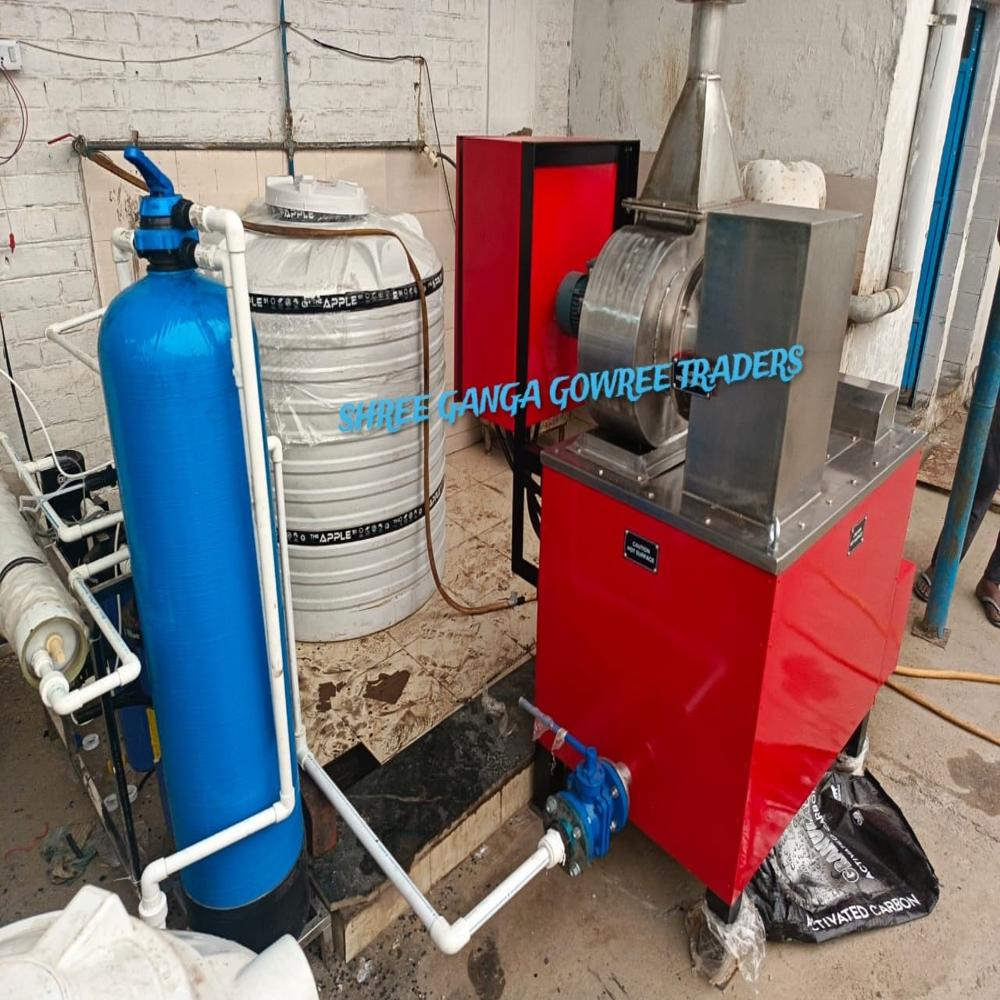
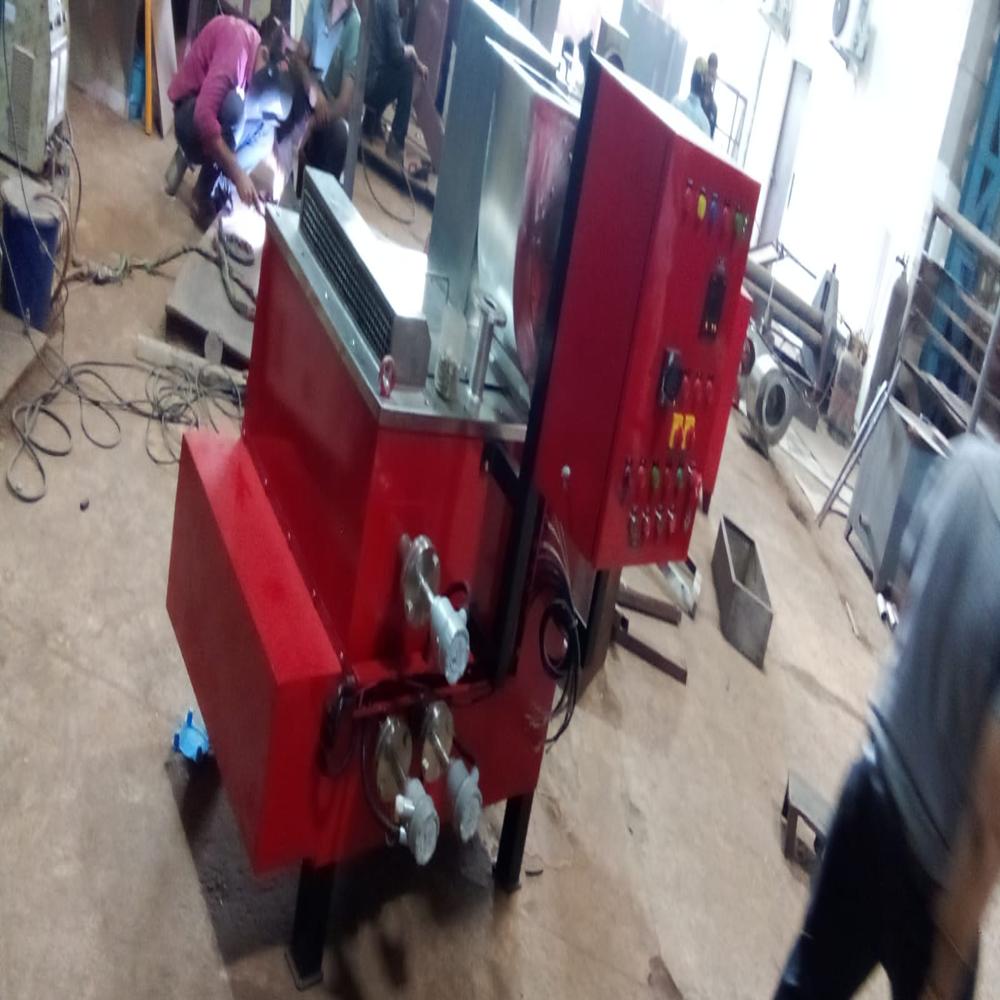
Wastewater Evaporator System
Price 700000.0 INR/ Unit
MOQ : 1 Unit
Wastewater Evaporator System Specification
- Application
- Industrial Wastewater / High TDS Effluent
- Water Source
- Sewage Water
- Material
- SS-316L / SS-304 / PP/FRP as application requires
- Capacity
- 500 1000 L/hr Ltr/hr
- Automation Grade
- Semi Automatic
- Product Type
- Other
- Power Source
- Electrical / Steam / Thermic Fluid
- Operation Type
- Automatic
- Pressure
- 2 4 Bar
- Dimension (L*W*H)
- 1200X1200 Millimeter (mm)
About Wastewater Evaporator System
A wastewater evaporator system is a device that uses thermodynamics and mass transfer to reduce the water content of wastewater and remove pollutants. The system works by:- Heating: Wastewater is fed into the evaporator and heated until the water turns to vapor.
- Separating: The vapor is removed from the solution and condensed, leaving behind a concentrated solution.
- Reusing: The purified water can be reused in the production system or discharged.
Superior Construction for Durability
Engineered with corrosion-resistant materials such as SS-316L and SS-304 stainless steel, or PP/FRP as per application needs, our system ensures longevity even under harsh wastewater conditions. The robust build accommodates high TDS effluents, making it suitable for demanding industrial environments. Its compact 1200x1200 mm footprint allows for flexible installation in limited spaces.
Versatile Power and Seamless Automation
The evaporator is compatible with electrical, steam, or thermic fluid power sources, giving flexibility according to facility resources. Operation is automatic, with a semi-automatic grade that balances efficiency and user control, simplifying system management for plant staff. Automated processes reduce operator intervention and optimize energy use.
Efficient Industrial Wastewater Treatment
With a capacity of 500-1000 L/hr, the system is tailored for the rigorous treatment of sewage water and high TDS industrial effluents. Its pressure range of 2-4 bar facilitates effective evaporation, helping industries meet environmental regulations and reduce water disposal costs.
FAQ's of Wastewater Evaporator System:
Q: How does the Wastewater Evaporator System treat industrial wastewater and high TDS effluent?
A: The system utilizes thermal evaporation, driven by electrical, steam, or thermic fluid power sources, to concentrate and reduce the volume of industrial wastewater and high TDS effluent. Contaminants are separated as water vapor evaporates, leaving solid residues for easy disposal.Q: What materials are used in constructing the evaporator system, and why?
A: Depending on the application, the system is built with SS-316L, SS-304 stainless steel, or PP/FRP. These materials are selected for their corrosion resistance and strength, ensuring reliability and longevity when handling aggressive effluents in industrial settings.Q: When is it appropriate to use this evaporator system over other wastewater treatment solutions?
A: This system is ideal when dealing with waste streams containing high concentrations of dissolved solids or when conventional treatments are less effective. It is particularly beneficial for industries needing to minimize effluent volume or comply with strict disposal regulations.Q: Where can this wastewater evaporator be installed, considering its size and application?
A: With compact dimensions of 1200x1200 mm, the system can be installed in most industrial facilities managing sewage water and high TDS waste. It is suited for manufacturing plants, process industries, and any site requiring efficient effluent reduction within a limited space.Q: What is the operational process and level of automation in this system?
A: Operation is primarily automatic with a semi-automatic grade, allowing for streamlined workflows and minimal manual oversight. Key processes-such as heating, evaporation, and residue discharge-are automated, while some settings allow operator adjustment for flexibility.Q: How does using this system benefit industrial operations?
A: Employing this evaporator system reduces wastewater disposal costs, lowers environmental impact, and helps industries comply with regulations. It also decreases liquid waste volume, making final disposal more efficient and cost-effective.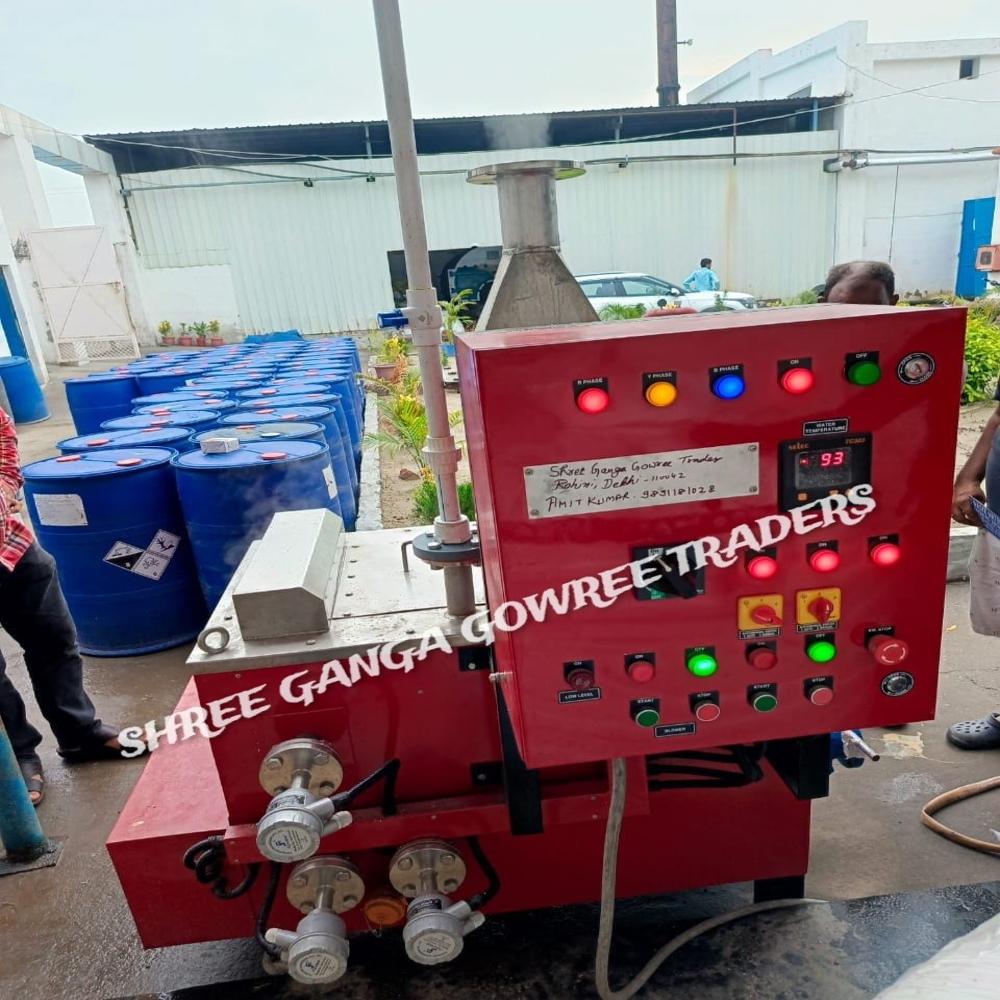
Tell us about your requirement

Price:
Quantity
Select Unit
- 50
- 100
- 200
- 250
- 500
- 1000+
Additional detail
Mobile number
Email

More Products in Sewage Treatment Plant Category
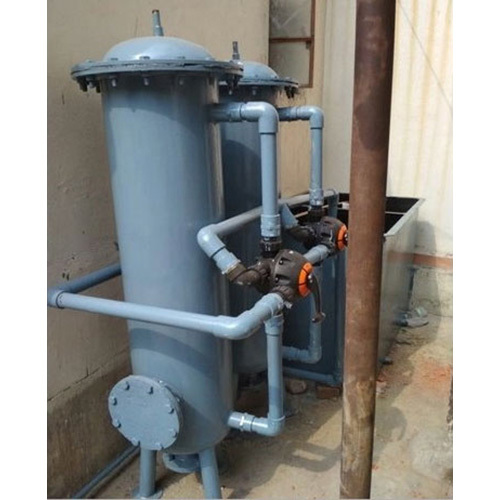
Semi Automatic Sewage Treatment Plant
Price 450000 INR / Unit
Minimum Order Quantity : 10 Units
Capacity : 10 100 KLD (Kiloliters per Day)
Automation Grade : Semi Automatic
Dimension (L*W*H) : Customized as per capacity (e.g., 12x8x8 ft)
Power Source : Electricity
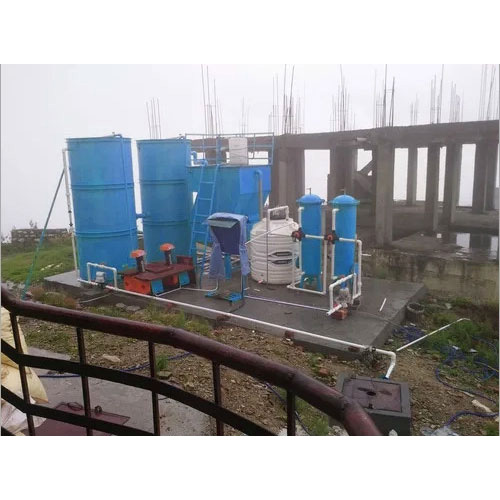
Industrial Sewage Treatment Plant
Price 500000 INR / Unit
Minimum Order Quantity : 10 Units
Capacity : 50 KLD 1000 KLD & above
Automation Grade : Automatic
Dimension (L*W*H) : Customized as per requirement
Power Source : Electricity
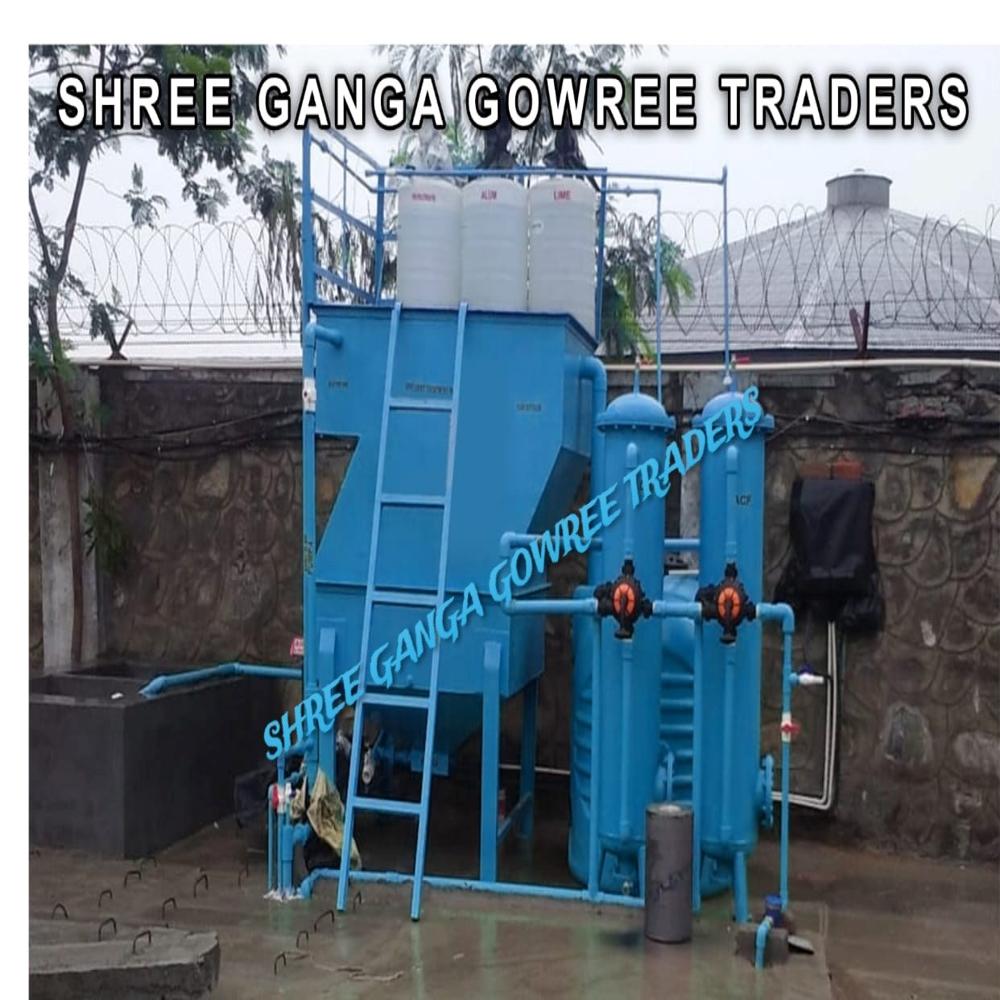
Biological And Human Waste Water Treatment Plant
Price 1050000.0 INR / Piece
Minimum Order Quantity : 1 Piece
Capacity : 3 KLD to 50 KLD Ltr/hr
Automation Grade : Automatic/SemiAutomatic
Dimension (L*W*H) : 5 Meter (m)
Power Source : Electric
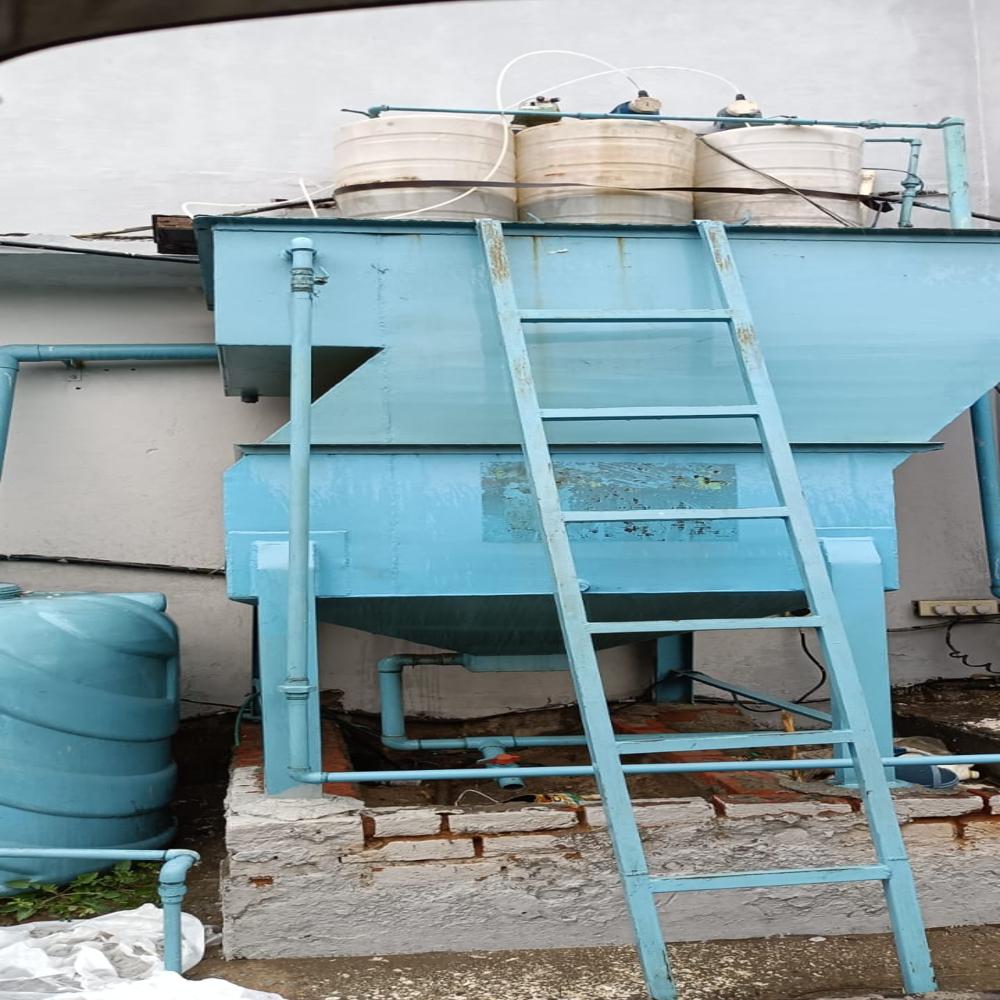
5 KLD Residential Sewage Treatment Plant
Price 250000.0 INR / Piece
Minimum Order Quantity : 1 Piece
Capacity : 5 KLD / 5,000 Litres per Day Ltr/hr
Automation Grade : Automatic / SemiAutomatic
Dimension (L*W*H) : 1800 X1200 Millimeter (mm)
Power Source : Electrical

 Send Inquiry
Our Products


Flat No-859, Sainath Apartment, Pocket Gh3, Sector 28, Rohini,Delhi - 110042, India

Mr. Dilip
(Proprietor)
Mobile :08037734488
 Send Inquiry
 Send SMS
Developed and Managed by Infocom Network Private Limited.
 English
 Spanish
 French
 German
 Italian
 Chinese (Simplified)
 Japanese
 Korean
 Arabic
 Portuguese